
Get Boxwood Pruning in Buncombe County, NC
Boxwood pruning services for property owners in Buncombe County, NC, and nearby areas include shaping, trimming overgrown shrubs, and removing damaged or diseased branches.
Boxwood pruning services are essential for maintaining the health and appearance of these popular landscape shrubs. Property owners in Buncombe County, NC often seek professional pruning to promote vigorous growth, prevent disease, and ensure the shrubs stay within desired shapes and sizes. Properly maintained boxwoods contribute to a property’s overall curb appeal, creating a welcoming and polished look that can enhance the neighborhood’s aesthetic. Regular pruning also helps reduce the likelihood of overgrowth that can interfere with walkways or outdoor living spaces, making the landscape safer and more functional.
In addition to aesthetic benefits, professional pruning can lead to increased durability and reduced maintenance over time. Well-pruned boxwoods tend to be more resilient against pests and harsh weather conditions common in the Buncombe County area. By removing dead or diseased branches, property owners can extend the lifespan of their shrubs and minimize the need for extensive future work. This proactive approach supports a landscape that remains attractive, safe, and easier to care for, providing long-term value and enjoyment.
- Boxwood Pruning - Needed when overgrown or unruly boxwoods require shaping to maintain their appearance.
- Boxwood Pruning - Recommended after storm damage or heavy winds to restore plant health and form.
- Boxwood Pruning - Suitable for preparing landscape beds for seasonal changes or special events.
- Boxwood Pruning - Used to control size and prevent overgrowth in residential or commercial gardens.
- Boxwood Pruning - Necessary for maintaining proper branch structure and promoting healthy growth.
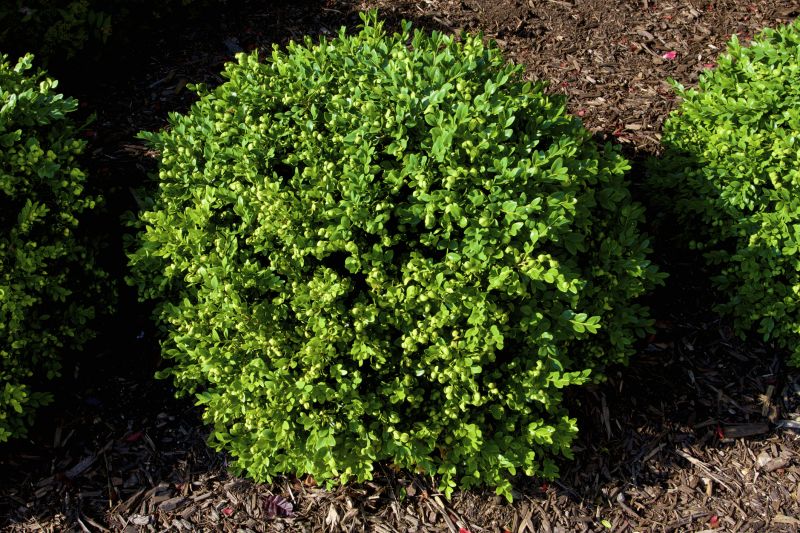
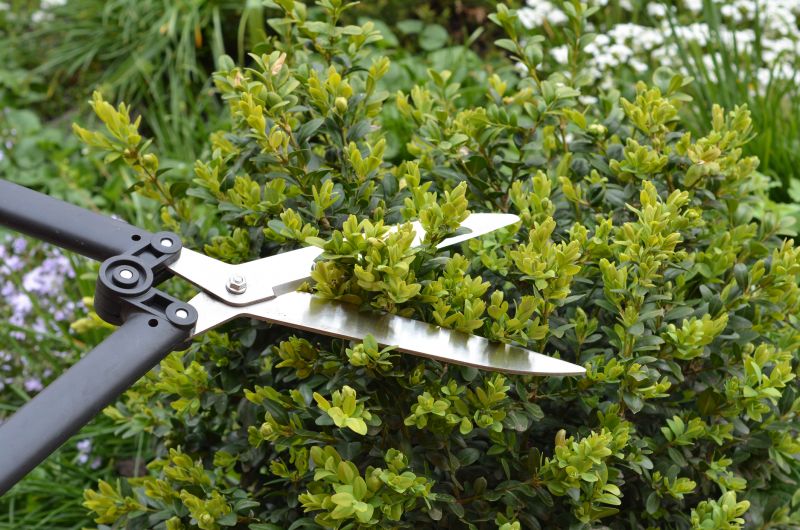
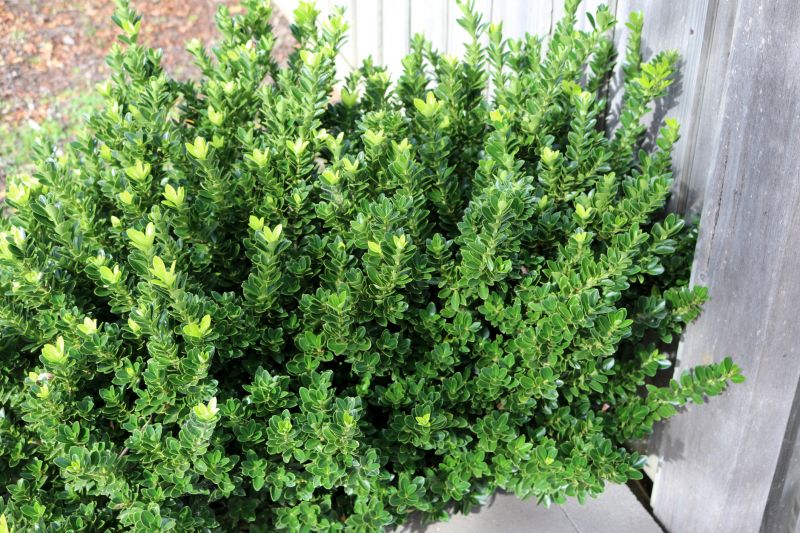
Boxwood pruning services involve the careful trimming and shaping of boxwood shrubs to maintain their health and aesthetic appeal. Professionals typically assess the plant’s growth patterns and structural integrity before selectively removing overgrown or damaged branches. The goal is to promote dense, even foliage while preserving the natural form of the shrub. Regular pruning can also help prevent the development of pests and diseases, ensuring the boxwoods remain vibrant and healthy over time.
This service addresses common problems such as overgrowth, uneven shape, and the presence of dead or diseased branches. Without proper maintenance, boxwoods can become unruly, which may detract from the overall landscape design. Pruning helps improve air circulation and sunlight penetration within the shrub, reducing the risk of fungal infections and other issues. Additionally, it can prevent the shrub from becoming too dense, which can hinder growth and make the plant more susceptible to pests.
Various types of properties utilize boxwood pruning services, including residential yards, commercial landscapes, and public parks. Homeowners often use these services to maintain the visual appeal of their gardens and to ensure their landscape remains tidy and well-kept. Commercial property managers may rely on professional pruning to uphold a professional appearance for clients and visitors. Public parks and community spaces also benefit from regular boxwood maintenance to keep planting beds attractive and healthy for visitors.
Professional pruning services can also help shape boxwoods into specific forms or styles, depending on the desired landscape design. This is especially common in formal gardens, estate grounds, and historic properties where precise shaping is important. Whether for routine maintenance or specific aesthetic goals, local landscape service providers can assist property owners in achieving a healthy, attractive, and well-maintained landscape with expert boxwood pruning.
The overview below groups typical Boxwood Pruning projects into broad ranges so you can see how smaller, mid-sized, and larger jobs often compare in Buncombe County, NC.
In many markets, a large share of routine jobs stays in the lower and middle ranges, while only a smaller percentage of projects moves into the highest bands when the work is more complex or site conditions are harder than average.
Basic Boxwood Pruning - The cost typically ranges from $75 to $200 for standard-sized shrubs. This usually covers light shaping and removal of dead or overgrown branches.
Intermediate Pruning Services - Expect prices between $200 and $400 for more detailed shaping and corrective pruning. Larger or more complex shrubs may incur higher fees.
Heavy or Formal Pruning - Extensive trimming for formal shapes or significant size reduction can cost between $400 and $800. This service often involves more labor and precise shaping.
Seasonal Maintenance Packages - Regular pruning services throughout the year typically range from $150 to $300 per visit. These packages help maintain healthy and attractive boxwoods over time.
Actual totals will depend on details like access to the work area, the scope of the project, and the materials selected, so use these as general starting points rather than exact figures.
Boxwood Pruning services involve shaping and maintaining healthy growth for decorative and ornamental boxwoods in residential and commercial landscapes.
Professional pruning helps improve the appearance and density of boxwood shrubs, ensuring they remain attractive and well-kept.
Local landscape contractors offer boxwood pruning to promote healthy growth and prevent common issues like disease and pest infestations.
Experienced pros can assist with shaping mature boxwoods to fit specific landscape designs or aesthetic preferences.
Boxwood trimming services include removing dead or damaged branches to support the overall health of the plants.
Contacting local specialists ensures proper pruning techniques are used to maintain the longevity and beauty of boxwood hedges and specimens.
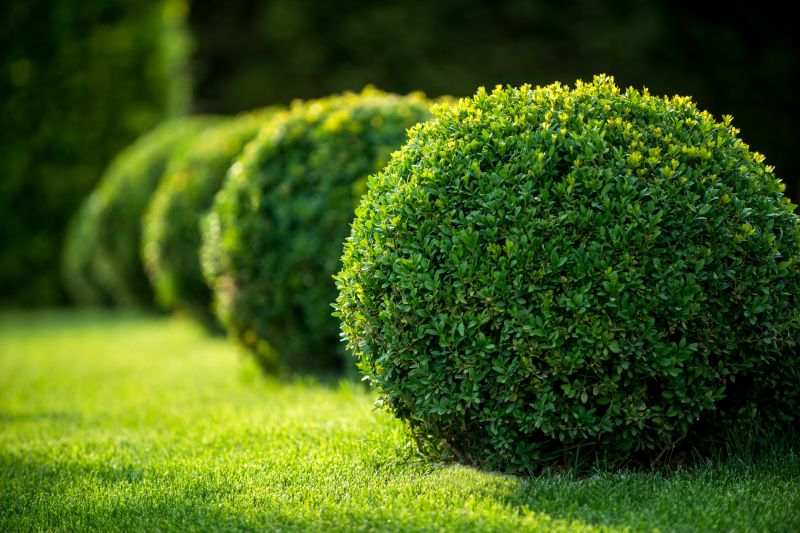
When selecting a professional for boxwood pruning, it is important to consider the experience and expertise of local service providers. Homeowners should look for pros who have a proven track record with shrub and hedge maintenance, particularly with boxwoods, to ensure they understand proper pruning techniques that promote healthy growth and aesthetic appeal. Evaluating a contractor’s background through written descriptions of their services and areas of specialization can help determine their familiarity with the specific needs of boxwood plants.
Clear communication and well-defined expectations are essential when working with a pruning service. Homeowners are encouraged to seek providers who offer detailed descriptions of their pruning practices, including the scope of work and maintenance recommendations. Reputable local pros often provide references or examples of previous projects, giving homeowners insight into their reliability and quality of work. Open, transparent communication can help establish a mutual understanding of the job requirements and desired outcomes.
Since this platform connects users with local service providers, it is important to remember that the site introduces options rather than performs the work itself. Homeowners should contact individual pros directly to inquire about their experience, clarify expectations, and request references. By doing so, they can compare different providers based on their communication style, professionalism, and reputation within the community, ultimately finding the best fit for their boxwood pruning needs.
Property owners in Buncombe County, NC use Boxwood Pruning services for practical projects around their homes and businesses. The sections below highlight everyday jobs and straightforward project options.
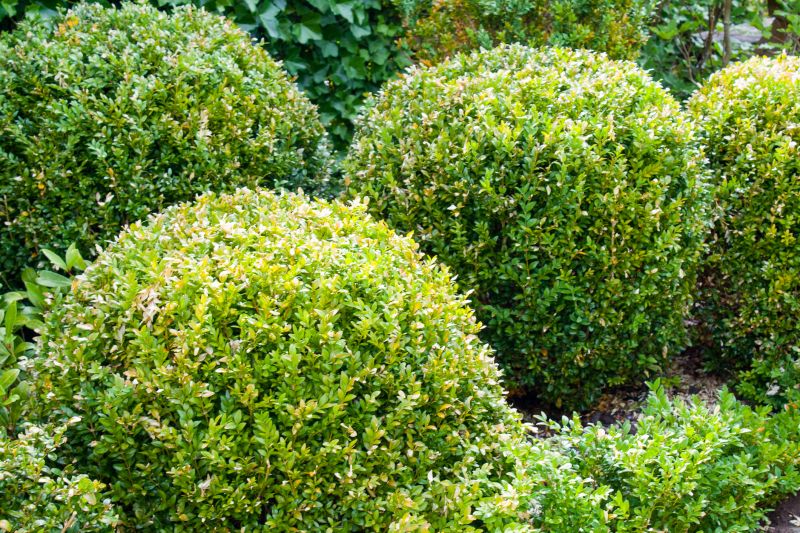
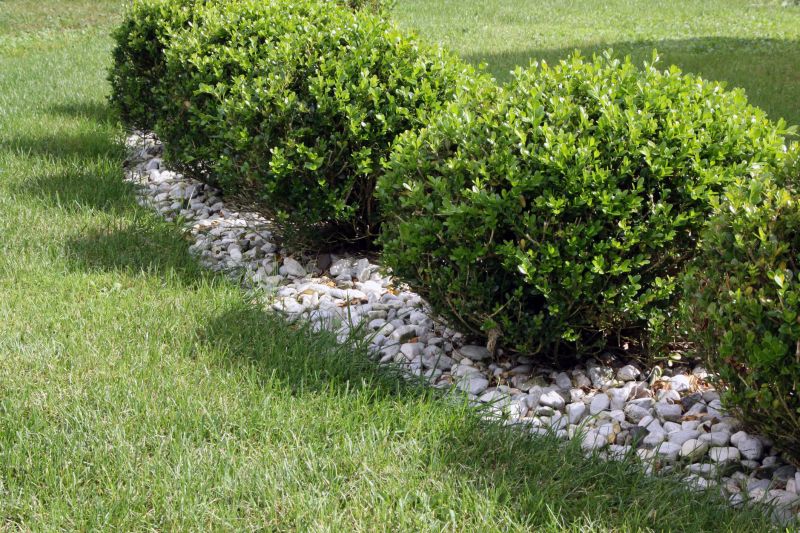
Boxwood pruning services are often sought by property owners in Buncombe County to maintain the health and appearance of their shrubs. Regular trimming helps shape the plants, control their size, and prevent overgrowth that can encroach on walkways, driveways, or neighboring plants. Proper pruning can also promote new growth and improve the overall vigor of boxwoods, ensuring they remain attractive and well-maintained throughout the year.
In addition to aesthetic reasons, property owners may request boxwood pruning to address issues such as disease, pest infestations, or damage from storms. Removing dead or diseased branches can help prevent the spread of problems and keep the plants healthy. Local service providers can assist with these routine maintenance tasks, helping property owners keep their landscaping tidy and thriving.
What are the benefits of pruning boxwoods? Proper pruning helps maintain the shape, encourages healthy growth, and prevents disease in boxwoods.
When is the best time to prune boxwoods? The ideal time to prune is during late winter or early spring before new growth begins.
How often should boxwoods be pruned? Boxwoods typically require pruning once or twice a year to keep them well-shaped and healthy.
What tools are recommended for boxwood pruning? Sharp pruning shears or hedge trimmers are commonly used for precise and clean cuts.
How can I find local boxwood pruning professionals? Contact local landscaping or tree care service providers to schedule professional pruning services in your area.
Boxwood Pruning Techniques - Professional pruning services can help shape and maintain the health of boxwoods through proper trimming methods.
Timing for Boxwood Pruning - Local service providers can advise on the best times of year to prune to promote healthy growth and prevent damage.
Benefits of Regular Pruning - Regular trimming by experienced pros can enhance the appearance and longevity of boxwood shrubs.
Customized Pruning Plans - Service providers can develop tailored pruning strategies to suit the specific needs of different boxwood varieties.
Considering Boxwood Pruning for a property in Buncombe County, NC? The sections above highlight common project types, practical options, and details that often shape the scope of work.
When you are ready, use the quote form to share a few details about your project. Local pros can review the basics and respond with options that match what you have in mind.